
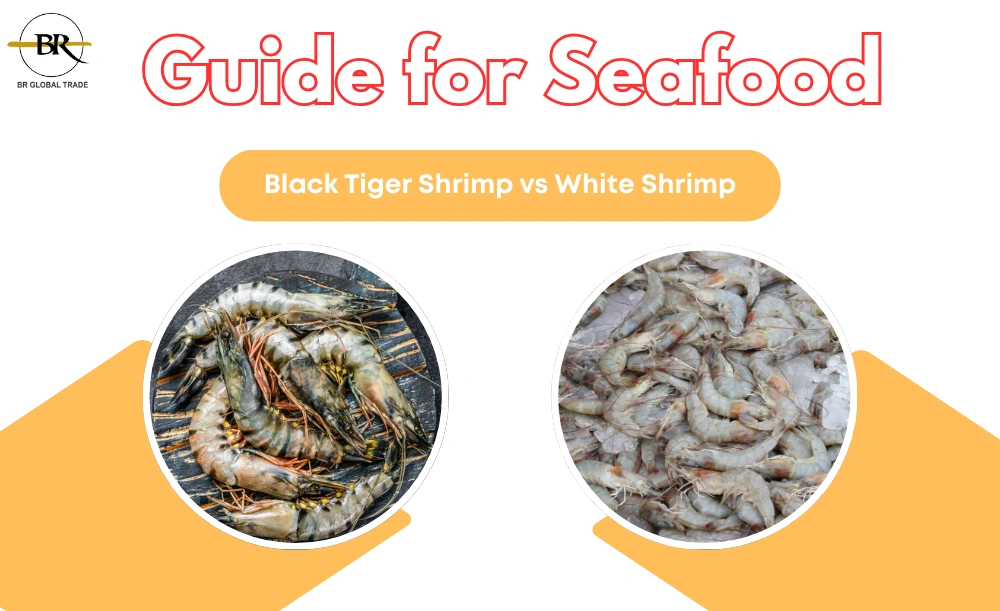

The selection of shrimp can affect the culinary outcome of a dish, how much it costs, and how happy the ones consuming it are. The two main types of shrimp that are sold around the world are black tiger shrimp and white shrimp.
Each type has specific uses and price levels. Here, we are going to help you understand how to make sourcing decisions based on reliable Frozen Seafood supplier in India.
Species Profiles
Black tiger shrimp
It is commonly known as “tiger shrimp,” and has dark-colored stripes and shells that are brown in colour. Tiger shrimp are generally the largest shrimp sold as commercial shrimp, measuring as much as 13 inches and weighing as much as 50 grams each.
Tiger shrimp are native to aquaculture areas in coastal India, specifically in Andhra Pradesh, Tamil Nadu, Kerala, and West Bengal. The texture of tiger shrimp is firm, and they generally have a mildly sweet, pleasing taste and present well in a wide variety of upscale menus.
White shrimp
It is primarily Pacific white shrimp and has no colour markings, making them look pale. They are generally a smaller commercial shrimp type and are used in large quantities. White shrimp are also desirable for more careful preparation and are the main type of shrimp produced through aquaculture.
This means they will be produced and shipped at almost any time of year from all major blue and white shrimp-producing regions across the world.
Visual and Performance Differences
Before cooking, the dramatic patterns of a black tiger shrimp’s shell and body are contrasted by the pale-colored shell and body of a frozen shrimp.
- When cooked, the shells of black tiger shrimp become a bright orange or red colour, while the shells of white shrimp become pearl-like or translucent. These colours can help to give a buyer an idea of what kind of yield and plate will look like from a given amount of shrimp purchased.
- Texture profiles vary widely between tiger shrimp and white shrimp. Tiger shrimp have a significant amount of bite retention after grilling or using high-heat cooking methods. While white shrimp have an incredibly tender texture, they work well with cold applications, pasta, and other types of gentle cooking where the integrity of the meat is crucial.
Practical Buyer Metrics
Size and yield are key aspects in determining procurement value. Black tiger shrimp are larger (with lower counts per pound) than white shrimp. The larger sizes produce premium portions on the plate when cooking pasta and other dishes where volume is important.
For different uses, black tiger shrimp are more robust than white shrimp. Black tiger shrimp are ideal for stir-fries, skewers (grilled), and barbecue, as they can withstand harsher cooking methods, whereas white shrimp would wash out.
Pricing is representative of production realities, as black tiger shrimp are higher priced per-kilogram than traditional white shrimp because they have a much slower growth rate, and there is mainly wild-caught available.
Sourcing from Reputable Partners
The exporter should ensure that shrimp is sourced from HACCP, BAP (4-star), and/or ASC certified facilities.
IQF shrimp is of higher quality than block-frozen, with many forms of shrimp, including head-on shell-on (HOSO) to peeled deveined tail-off (PDTO), being available for buyers.
White shrimp exporters in India offer clearly defined counts, standardized specifications, and ready-to-retail packaging tailored to meet Pacific vannamei export requirements for the USA, European Union, and Southeast Asia.
The institutional market, which relies on predictability in its supply chains, benefits from standard-sized product availability all year round.
The black tiger shrimp suppliers in India serve as premium suppliers, with much smaller volumes than their competitors. These suppliers can satisfy the most rigorous standards found in both Western and traditional Asian markets due to their use of true traceability systems.
Strategic substitution responds to pricing cycles. Buyers switch species based on seasonal availability while acknowledging performance differences.
Also Read: Vannamei Shrimp Buyer’s Guide: Quality & Export Standards
Quality Assessment Protocols
High-quality shrimp should have a salty, oceanic flavour with no ammonia produced. When you press on high-quality shrimp, the flesh is firm and will return to its original shape and not feel mushy, as mushy shrimp indicate they have lost their quality.
Black spots (melanosis) indicate that the shrimp has started to break down from the enzyme process. At that stage of the process, melanin is acceptable but indicates a need for more rapid processing.
Packaging provides confirmation of the chain of custody. The glaze ratio of the shrimp should be no more than 10% of the net weight, and net weights should be clearly labelled. Frozen shrimp must be held at −18°C minimum from the time they leave the processor until they reach their final destination.
Farm-raised shrimp provide focal consistency in their production. Wild shrimp offer a unique flavour profile. However, because of the unpredictable size of wild shrimp, they will disrupt the level of consistency in the recipe from one batch to another.
Culinary Applications and Market Demand
For example, black tiger shrimp can be presented on the grill in visually striking presentations, as tandoori platters or in tempura coatings, where size is the dominant feature. Black tiger shrimp offer a more substantial texture that will remain intact after extended periods of cooking.
Paella, bisque and shrimp cocktail incorporate white shrimp very well, allowing their sweet flavour to complement without being overpowering.
White frozen shrimp are entering retail and casual foodservice channels in record volumes across both the USA and EU markets, while several Asian markets are emphasizing premium black tiger shrimp offerings.
In Middle Eastern countries, halal specifications shape Gulf market expectations for shrimp products, whereas in Western markets, sustainability certifications play a significant role in influencing purchasing decisions.
Economic Comparison
Black tiger shrimp will typically bring a price premium of 20-40% over similar-sized white shrimp. The visual aspect of the black tiger shrimp is what drives home the difference.
Suppliers can change to or from one of the species depending on price variability or availability. However, it is important for buyers to acknowledge the different performance levels of each species.
Suppliers of shrimp will be able to support both inventories of these 2 species of shrimp to enable supplies to meet whatever specification changes are required.
Strategic Sourcing Summary
To accomplish optimum results in pairing a specific shrimp species to a specific operational requirement, black tiger shrimp are ideal for serving limited-menu items to maximise the visual and textural experience. White shrimp are ideal for high-volume applications where they can be consistent across all recipes and portion sizes.
Acquiring shrimp black and white offers more than less cost; it can impact your company’s procurement strategy. Selecting the right shrimp provides an opportunity to improve culinary performance, as well as help manage the total landed cost of shrimp between institutional buyers and retailers.
Contact us for more information about seafood and products.
Frequently Asked Questions
Can black tiger shrimp replace white shrimp interchangeably in recipes?
Limited interchangeability, black tiger shrimp hold up better when grilled at high heat. Whereas, while white shrimp are less likely to become tough if used in the same manner.
Why do so many Indian Shrimp exporters hold the majority share of the world’s black and white shrimp supply?
Because of the coastal aquaculture infrastructure they have developed throughout the five states used to produce shrimp in India. With approximately 8 lakh metric tonnes produced each year, there is the opportunity for continuous harvest due to warm-water growing conditions. In addition, the Indian government has exported cash and other incentives to support aquaculture producers in this part of the world.
What are the best packing forms for institutional customer value?
The most cost-effective way to purchase shrimp for an institutional buyer would be the PDTO packaging form, giving you the least amount of labour involved with food preparation and the IQF packaging method. This prevents bulk products from clumping during storage.