
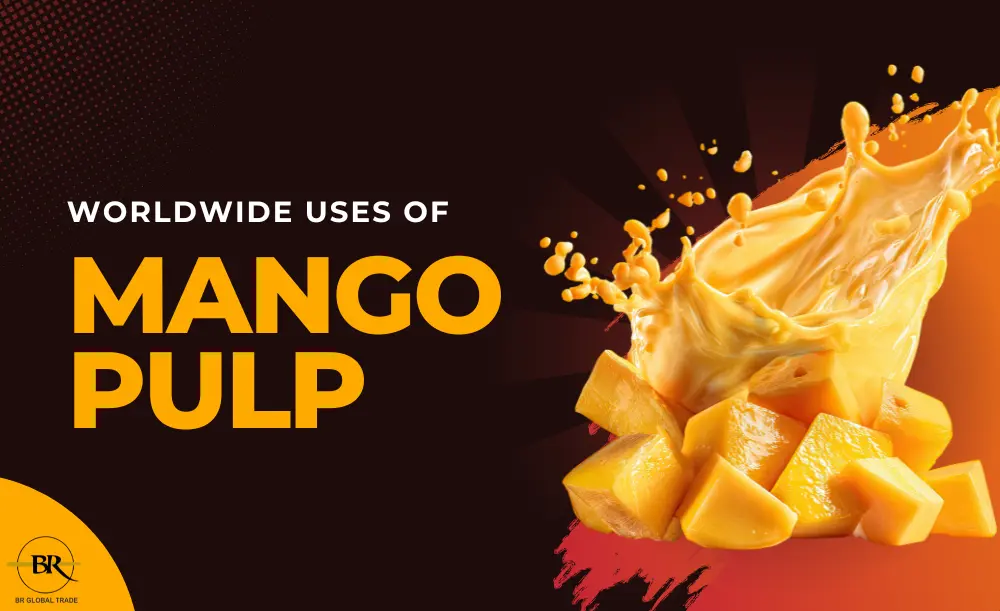

Mango pulp has become an increasingly important export commodity around the world. The reason for high demand is due to the flexibility of mango pulp as an ingredient in juice, dairy and bakery products.
Processed mango pulp is still a highly desirable product among manufacturers when compared to using fresh mango fruit due to its stability on the shelf and ease of transportation. This allows processed mango pulp to be used as an intermediary good in many supply chains globally.
Here we are going to understand the benefits of mango pulp for food manufacturers into product development and supply chain planning in detail to help you further in decision-making.
What Makes Mango Pulp Ideal as a Versatile Ingredient
The combination of natural sweetness, bright yellow colour, and creamy but thick consistency makes mango pulp a good choice for use in both simple and complex recipes. Thereby it allows for its use as a flavour and cautioning agent, texturising agent, and at the same time reducing the need for excessive use of artificial ingredients.
Natural taste profile and stable Brix
Mango pulp provides both children and adults with a well-balanced taste that is sweet, yet has a slight acidity. Food manufacturers can use the consistency of the Brix of mango pulp to create standardised formulations with minimal adjustments, making it ideal for large-scale production.
Multiple forms and long shelf life
Sweetened, unsweetened, and concentrated versions of mango pulp are available to manufacturers of beverages, dairy products, and baked goods. Therefore, each manufacturer can select the type that is most suitable for its product. Aseptic packaging allows mango pulp to have an ambient or cooler storage life of 18–24 months. This makes it an appropriate choice for use as inventory for cold or frozen applications, and also for bulk usage.
Food manufacturers can benefit from using mango pulp due to its long shelf-life and flexibility in creating both chilled and frozen food.
Beverages — The Biggest and Most Obvious Use
We can always find mango pulp for beverage brands due to its colour, sweetness, and aroma. As per the importers, Mango pulp is used in both mass-produced juice cartons and high-end smoothies served at coffee shops, with most of the flavour coming from the mango pulp.
Mango juices, nectars, and smoothies
Mango juice or mango nectar is the most significant category of mango pulp drinks. It is often made by diluting mango pulp with water, adding sugar and acidity, creating pure mango juice or mango nectar that can easily be found anywhere you go. Also, mango pulp is used in many health-conscious markets that create smoothies or blended fruit drinks by adding ingredients, such as bananas, berries or yoghurts.
Energy drinks, cocktails, and taste consistency
Mango-flavoured energy and functional drinks use mango pulp to help mask the chemical taste of added vitamins and minerals while providing a natural fruity flavour. In the bar or hospitality industries, mango pulp provides consistency in the way cocktails and mocktails taste. So, the importers ensure that every batch of mango pulp is uniform in colour, Brix and acidity from the day the first batch is made.
Dairy Products — A Natural Pairing
Dairy products are enriched by combining mango with other dairy ingredients. This produces a product which is very creamy, rich and pleasing to consumers of all ages. The classical lassi and modern probiotic drinks are popular with mango pulp as a main fruit base. They combine nicely with the dairy ingredient, but do not dominate the flavour of the dairy ingredient.
Lassi, yoghurts, and milkshakes
Mango lassi is the most popular dairy product made from mango in the world. Mango lassi is made by blending mango pulp with yoghurt and a small quantity of sugar. Many yoghurts and probiotic drinks are made from mango pulp as their primary fruit and this leads to high demand from importers around the world.
Ice creams, kulfi, and flavoured milk
Mango pulp is used to provide both flavour and a rich, creamy mouthfeel in ice cream and frozen dessert categories and retains its qualities during freezing and thawing. Mango pulp is also a source of clean label flavouring for milk products that are either shelf stable or used in milkshakes.
For food manufacturers, the advantages of using mango pulp in dairy products are apparent. This includes stabilising and improving flavour, enhancing visual appeal, and supporting their natural ingredient claim.
Bakery and Confectionery — A Tropical Touch
Mango pulp is an excellent tropical fruit addition in the world of baking and confectionery. It will attract attention from shoppers, especially when they buy individually wrapped or smaller-sized items. As per the importers, use of mango pulp also makes an item more premium and exotic.
Cakes, muffins, and fillings
Mango-flavoured cakes (like muffins and pastries) typically contain mango pulp in the batter or as a swirl, adding contrast to the rest of the colours. In the case of tarts, pies, croissants, etc., mango pulp would need to be thickened with cornstarch or gelatine. and then preserved to maintain the consistency of jam, which will give a very light and refreshing taste.
Glazes, candies, and jams
Mango pulp is used as a glaze for many types of desserts by creating a thin layer of gel/syrup to improve appearance and flavour. Mango pulp can be found in most types of confectionery products such as gummies, candies, and fruit-based chews, where its colour and natural sweetness reduce the need for synthetic colours and flavours.
Retail and food-service outlets are increasingly offering jams and marmalades made from pure mango pulp and this is the reason why importers are constantly in search for the best suppliers.
Also Read: What Global Buyers Seek in Indian Alphonso Mango Pulp Suppliers
Desserts — The Sweet Spot for Mango Pulp
The expressive ability of mango pulp as an ingredient extends beyond borders. From traditional family-style preparation to high-end restaurant creation, mango pulp is an essential element of any “island or tropical” menu.
Indian and International desserts
In many instances, traditional Indian-style desserts such as aamras, halwa and barfi use fresh or processed mango pulp. This is done to provide the unique texture and taste inherent to these dishes. Some examples of International-style desserts include panna cotta, mousse and cheesecake, which utilise mango pulp by mixing it into pudding/mousse-like bases, resulting in a bright coloured, fruity layer.
Frozen and premium dessert lines
Mango pulp is used frequently in many frozen desserts such as ice cream, sorbet and kulfi due to its ability to maintain its natural fragrance and colour when frozen. As a result, many food companies have started to introduce premium dessert lines that are centred on using mango pulp. This is why importers have increased its demand because it appeals to customers searching for authentic tropical flavours in North America and Europe.
This growing demand for authentic tropical flavours highlights the importance of sourcing high-quality mango pulp from an established mango pulp wholesale supplier.
Take a look to frozen fruit puree supplier
Baby Food and Nutraceuticals — A Growing Application
Mango Pulp is becoming more prevalent in baby foods and nutraceuticals. As a result, parents, along with those consumers who want to eat healthier, are looking for fruit-based foods without any minor additives added.
Baby food and supplements
Mango pulp provides a natural fruit base in baby foods because it is very mild in taste and texture making it very easy to consume and digest. In nutraceuticals, mango pulp is found in the form of fruit-based capsules or powders as well as supplements to help create “functional” products. All these aspects make importers connect with the top suppliers to get the right product with all supply chain issues resolved.
Unsweetened and clean-label preference
Most of the Importers prefer using unsweetened organic mango pulp as it meets food quality guidelines and clean label claims. This increasing preference is contributing to the growing demand for naturally processed mango pulp that is free from preservatives, and supports the “made from 100% real fruit” concept.
Food Service and Hospitality — Bulk Usage at Scale
Importers like restaurants, cafes, and hotels use mango pulp in large quantities so that they can provide consistent flavours across all locations.
Chains, buffets, and catering
Multilocation chains will use mango pulp in the preparation of mango lassis, mango smoothies, and dessert items to ensure that each product served in each city has the same flavour profile. Hotels will use mango pulp in buffet service desserts, mocktail menus, and as part of their breakfast offerings.
Why aseptic bulk packaging matters?
A big factor in why aseptic bulk packaging is important in this context is that foodservice operators or importers can store mango pulp for months without refrigeration. Therefore, they can lower their logistics costs and the amount of space they would have had to allocate for mango pulp storage. As a result, many bulk mango pulp supplier agreements are structured in a way that supports the use of large volume aseptic drums or bags that can be easily incorporated into commercial kitchens and production lines.
Emerging and Unexpected Uses of Mango Pulp
Mango-containing products are finding their way into new areas beyond the traditional areas of drinks and desserts, such as savoury sauces and plant-based products, due to ongoing innovation and development involving mangoes, thus expanding the use of this ingredient.
Sauces, dressings, and plant‑based products
Sauces, marinades, and dressings have been combined with chutneys made using mango pulp to create sweet-tangy flavour profiles that pair well with grilled meats and fusion-style culinary applications. Mango pulp can be added to dressings and vinaigrettes to create a smooth and creamy texture and add a hint of sweetness with less oil than traditional dressings and vinaigrettes.
Brief mention in cosmetic and personal care
Mango extracts made from mango pulp have been incorporated into cosmetic and personal care products mainly because of their natural vitamins and skin softening characteristics. The degree of interest in mango products in other industries demonstrates the value and versatility of mango as a raw material.
Conclusion
The evolution of mango pulp has taken it from a one-time add-in for juices to a multitude of versatile uses around the world. From drinks, dairy and bakery to desserts, baby food, and even non-traditional savoury and plant-based products, reaping the full value of mango pulp provides numerous advantages to food importers, including natural sweetness, vibrant colour, stable brix value and long shelf life.
When sourcing from reliable wholesale mango pulp suppliers with an understanding of internationally accepted standards and market-specific needs, manufacturers can expect to experience higher quality and consistency of product.
For mango pulp buyers seeking consistently high-quality export-grade mango pulp, sourcing a quality base ingredient is essential for making premium end products.
You can always consult with BR Global Trade, well-recognised by beverage importers and manufacturers as a trusted source of high-quality mango pulp with flexible supply agreements.