
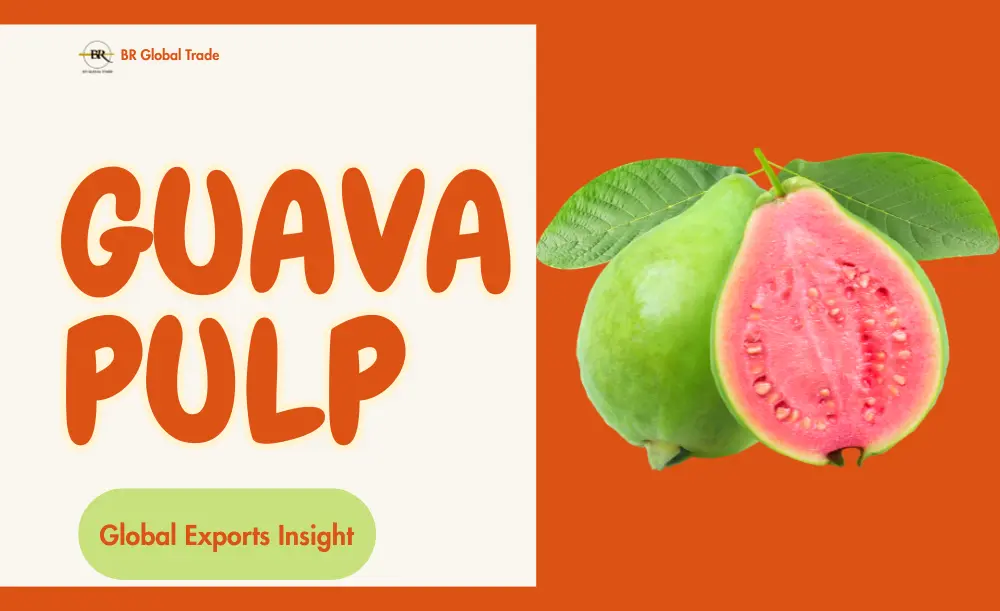

Guava fruit pulp quality depends on how the ingredient performs in your recipe and how closely the next lot matches the grade you approved. Before comparing bulk offers, decide whether your beverage or food needs pink or white guava, what fruit character it should deliver, and which changes in colour or texture your line can tolerate. Then approve the precise grade, processing format and pack against a representative sample and a written specification.
Compare Pink and White Guava in the Finished Product
Start with the colour of the finished recipe. Pink guava is a useful candidate when pink fruit colour belongs in the product profile. White guava is a candidate when the base needs a lighter fruit appearance. Compare the two in your actual recipe. A pale ingredient can still produce haze or sediment, and the shade of pink guava in a drum can differ from the shade you see after dilution or blending.
| Buyer Decision | What to Check | How to Compare |
|---|---|---|
| Colour | Approved shade after dilution or mixing | Use the same recipe, sample temperature and lighting for each candidate. |
| Flavour and acidity | Guava character and balance in the finished product | Compare at the intended dose and record pH and titratable acidity separately where relevant. |
| Texture | Visible particles, retained pulp and flow | Use the same screen, sample preparation and test conditions for each grade. |
| Processing format | Aseptic or frozen grade available for the offered product | Check whether your receiving, storage and dispensing setup can handle the quoted pack. |
Compare pink guava purée and white guava purée as separate grades. Confirm the exact format, pack and product specification in the quotation. If the recipe already uses a coloured fruit base, keep that base constant during the comparison so you can see what each guava grade contributes.
Specify Ingredient Identity, °Brix and Texture Together
Ingredient Identity. Ask the supplier to identify the grade as offered and disclose any declared additions. Commercial naming for pulp and purée can vary. Put the approved description on your specification and purchase order. If you are evaluating concentrated purée or juice concentrate, compare concentration, texture and recipe contribution using the concentrate, purée and pulp comparison.
Soluble Solids and Acidity. Ask for the offered °Brix range and test basis. A matching °Brix result helps assess soluble solids, while acidity and sensory checks tell you more about balance in the finished recipe. If you measure titratable acidity, record the reporting unit and acid basis. Keep pH as its own field where your specification uses it. Specify whether measurements apply to the ingredient as supplied or to a defined blend.
Texture and Refining. For a product that must pass through a screen or filling system, identify the relevant particle or sieve limit and sampling method. For a thicker fruit preparation, compare viscosity at an agreed temperature and test condition. Describe acceptable visible particles or sediment in writing when appearance affects the acceptance decision.
Codex CXS 247-2005 lists 8.5 °Brix for reconstituted guava juice and purée and 25% juice and/or purée by volume for guava nectar. Check the destination rules for the finished product before using the figures in a formulation. Set the acceptance range for the incoming ingredient against the offered grade and the requirements for the finished product.
Run a Trial That Can Resolve a Grade Decision
Use one dated recipe, one test method and the same equipment for each trial. Record the supplier grade reference, sample lot, ingredient dose and process settings. Evaluate the result at the point where a difference would matter, such as after pasteurisation, chilling, filling or an agreed holding period. Keep an approved colour reference or trial record that the receiving team can use later.
Illustrative Buyer Example
A beverage developer tests two pink guava grades at the same dose. Both meet the fruit flavour target and have a recorded incoming °Brix of 9.0. One gives the approved shade after blending, but the other produces a darker drink when assessed against the reference under the same lighting. The developer keeps the better match as the approved reference and records how the next lot should be compared. If the darker grade is still useful in a mixed-fruit drink, approve it separately for that recipe.
The number and results in this example are hypothetical. Choose the actual limits and test conditions with the offered grade in mind. For a template covering other intake checks, see the fruit purée specification checklist for beverage buyers.
Match the Approved Sample to the Commercial Lot
Before Ordering. Request the specification for the offered grade and confirm whether the trial sample represents the intended production site, formulation and processing format. If a second site, changed screen or alternate pack is proposed, agree which checks must be repeated before accepting the change.
Before Dispatch. Request the lot-specific certificate of analysis (COA) when needed. Compare its lot reference and results with the pack identification and shipment records. If the purchase requires a particular test or certificate, confirm availability and coverage for the offered supply. Record any additional test reporting requirements on the order.
At Receipt. Check pack condition, seals, lot identity and any agreed temperature records. Identify affected packs if the delivery falls outside the acceptance criteria so the reviewer can assess the correct stock. Record the findings alongside the approved sample reference and keep the two linked for any later investigation.
Decide When to Reapprove a Grade
A revised label may need a document check, while a different processing site or refining screen can affect how the pulp performs on the line. Decide who reviews each change and when they need to act. Keep the approved grade reference and specification revision visible on the order so purchasing and receiving work from the same criteria.
Confirm Pack, Storage and Export Handling
Confirm pack type, net fill, unopened storage conditions, shelf life and the minimum remaining shelf life at receipt. Review how the pack will be unloaded, opened and dispensed, particularly on a first order. If your site cannot use a full unit in one run, ask for the opened-pack handling instructions before choosing a pack size. Check whether the storage area can accommodate the remaining quantity under those instructions.
For an export order, ask the exporter to confirm the offered origin, grade, shipping route and handling conditions. For frozen supply, confirm the temperature controls for the route. For an aseptic pack, follow the conditions specified for that grade. Put any shipment documents, monitoring arrangements and responsibilities in writing before dispatch.
FAQ
Can a Buyer Replace Pink Guava With White Guava Mid-Season?
Check whether the recipe and label allow the change and the existing packaging still describes the product accurately. If a different shade is acceptable, assess the grade in a controlled trial and document which production runs the approval covers.
Can Two Approved Guava Grades Be Blended?
Test the proposed blend at its intended ratio. Record the ingredient lots separately and decide who can approve changes to the ratio between runs. If the customer specification names a particular grade, check with the reviewer before using a blend.
What Should I Send With a Guava Pulp Enquiry?
Share the fruit type or colour, application, target °Brix and acidity, texture limit if relevant, format, pack, quantity and delivery destination. Include the grade or sample reference if you already approved one. See the Guava Pulp product page for bulk supply enquiries.